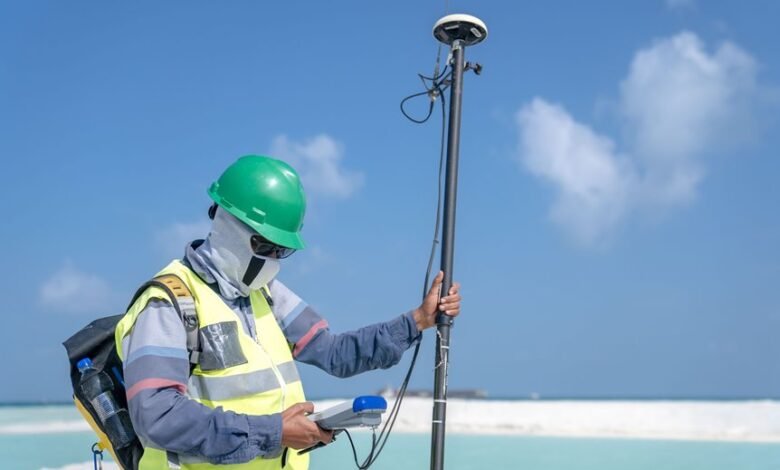
Hydrogeology blends fieldwork, data analysis, and problem-solving in environmental contexts. The guide outlines what the field entails, the day-to-day duties, and the training path, with attention to certifications and ongoing education. It assesses fit through strengths in mapping, GIS, and hydrological modeling, and by examining interest in groundwater, contamination transport, and sustainable planning. The practical implications are clear, but the decision hinges on how the subsurface and evidence-based practice align with the reader’s priorities and goals.
What Is Hydrogeology and Why It Matters
Hydrogeology is the science of understanding groundwater systems, encompassing the distribution, movement, and quality of water beneath the earth’s surface.
What is hydrogeology is clarified by its methods, data, and models.


Why it matters lies in resource security, contamination prevention, and ecosystem health.
The discussion considers qualifications, training, and certification, skills, fit, day-to-day responsibilities, and career outlook for is hydrogeology right for you.
Day-to-Day Responsibilities of a Hydrogeologist
Day-to-day responsibilities of a hydrogeologist revolve around assessing groundwater systems through systematic fieldwork, data collection, and analytical modeling. The role emphasizes organized fieldwork planning, rigorous sampling protocols, and objective interpretation of hydrochemical and hydrological indicators.
Activities include monitoring, data quality checks, geostatistical analysis, and reporting findings to stakeholders, ensuring transparent decision support while maintaining methodological clarity and reproducibility.
Qualifications, Training, and Certification to Pursue This Path
What training and credentials are typically required to pursue hydrogeology professionally, and how do they influence career prospects?
This qualifications overview outlines bachelor’s or master’s degrees in geology, hydrogeology, or environmental engineering, plus field, mapping, and modeling experience.
Certification varies by region, including licensing and professional association credentials.
Training pathways emphasize data analysis, GIS, and hydrological methods for evidence-based practice.
Is Hydrogeology Right for You? Skills, Fit, and Career Outlook
Assessing fit involves weighing the typical activities, required competencies, and projected demand against an individual’s interests and strengths.
Hydrogeology offers rigorous field and data analysis, with roles emphasizing groundwater assessment, contaminant transport, and sustainable planning.
Skills evolve through fieldwork, GIS, and modeling.
Exploring passion and geographic focus help determine fit, as regional water needs shape career outlook, demand, and advancement opportunities.
Frequently Asked Questions
What Is the Typical Entry-Level Salary for Hydrogeologists in Various Regions?
The typical entry-level salary for hydrogeologists varies by region, reflecting regional variations; internships vs co ops influence initial compensation, while fieldwork myths and regulatory permits shape early experience. Career switch from geology precedes earnings, with growth through internships.
How Do Internships Differ From Co-Op Programs in Hydrogeology?
Internship differences between hydrogeology programs and co op benefits are domain-specific: internships emphasize short-term project work and academic credit, whereas co-ops offer longer durations, paid placements, deeper industry integration, and progressive responsibilities within professional teams.
What Are Common Myths About Fieldwork in Hydrogeology?
Myth vs reality in fieldwork: common myths about fieldwork in hydrogeology are debunked by evidence, while fieldwork challenges are real, documented, and manageable through planning, safety, and adaptive methods for researchers seeking professional autonomy.
How Does Hydrogeology Impact Regulatory Compliance and Permits?
Hydrogeology influences regulatory compliance and permits by defining hydrogeology regulations, requiring thorough permit compliance requirements, and ensuring fieldwork safety myths are dispelled; internship vs co op differences affect practical oversight, data quality, and ongoing field safety accountability.
Can You Switch to Hydrogeology From Unrelated Geology Careers?
“Where there’s a will, there’s a way.” The analysis indicates switching careers from unrelated geology to hydrogeology is feasible, given demonstrable skill transferability and targeted training; evidence supports gradual transition rather than abrupt, all-at-once moves.
Conclusion
Hydrogeology blends fieldwork with rigorous data interpretation to address groundwater challenges, contaminant transport, and resource sustainability. The profession rewards strong GIS, mapping, and analytical modeling skills, plus clear reporting and stakeholder communication. Career prospects hinge on regional demand, certifications, and ongoing training. Is the drive to translate subsurface signals into evidence-based decisions enough to sustain rigorous inquiry and public welfare over time? For those who seek tangible environmental impact through disciplined analysis, hydrogeology remains a compelling fit.